Source flexible household grabber pickup tool for Home, Garage, Workshop
Explore 30 listings for the flexible household grabber pickup tool designed for retrieving items in tight spaces. Buyers can compare specifications, pricing, and customization options from verified suppliers to find the right solution for household or industrial needs; compare the available evidence and request quotations based on your requirements.
Key considerations
Products List
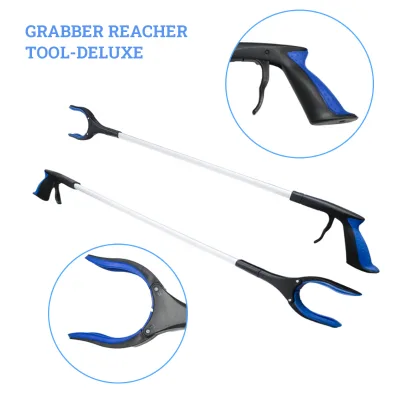
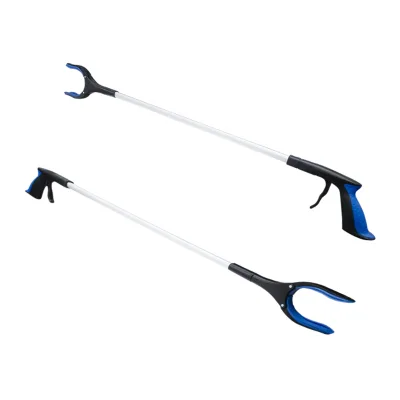
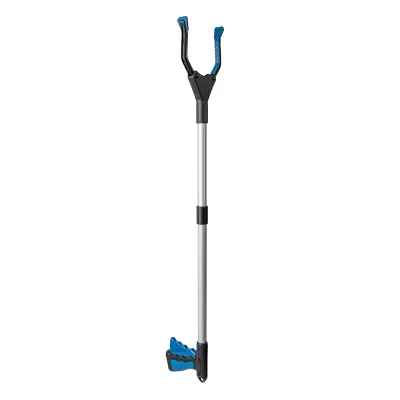
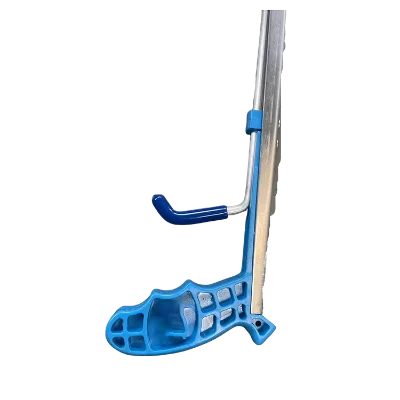
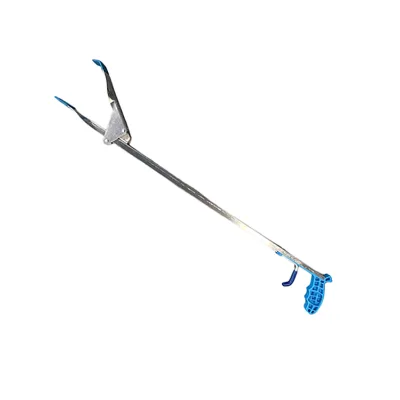


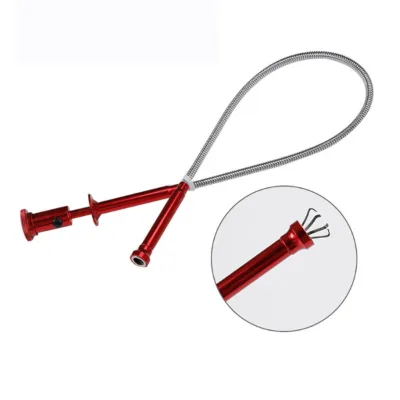
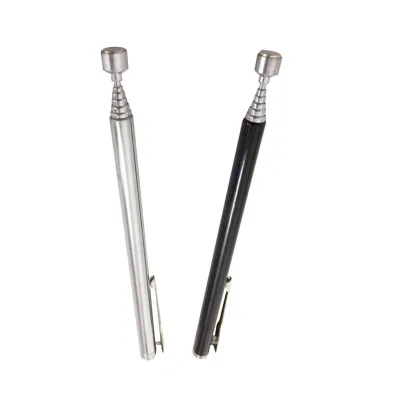


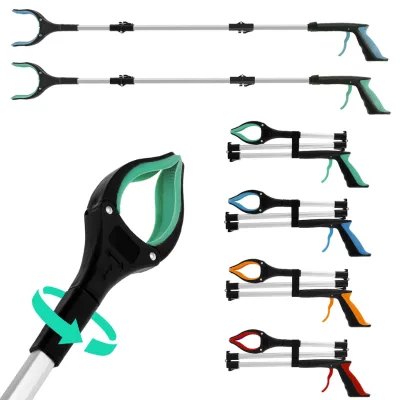




Comprehensive Sourcing Guide
Flexible Household Grabber Pickup Tool Sourcing Guide
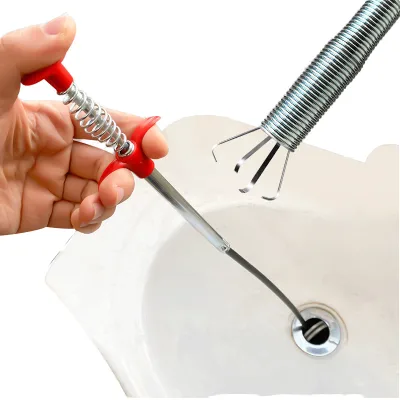
Procuring flexible household grabber pickup tools requires a clear understanding of the distinct product categories available in the current market. Buyers often encounter listings that mix drain cleaning machines with magnetic retrieval tools, leading to confusion in specification verification. It is critical to distinguish between rigid mechanical drain augers and flexible magnetic pickup wands, as their functional applications and material compositions differ significantly. The core keyword suggests a focus on retrieval devices, yet many suppliers list drain cleaning equipment under similar tags. Therefore, initial screening must prioritize the specific mechanical action and intended use case to avoid purchasing mismatched inventory.
The observed market signals indicate a wide variance in product attributes, ranging from metal drain snakes to PVC-handled magnetic tools. Some listings highlight ODM and OEM support, suggesting that customization is a viable path for branded procurement. However, the presence of conflicting specifications, such as varying MOQs and warranty terms, necessitates careful due diligence. Buyers should not assume that all listed items meet the same quality or performance standards. A disciplined approach involves isolating the specific product type required, verifying the material composition, and confirming the supplier’s capability to deliver the exact functional design needed for the target household application.
Product Scope and Observed Listing Signals
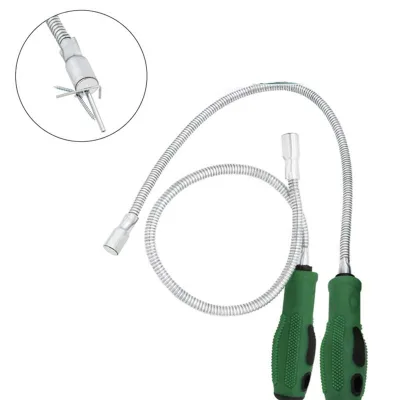
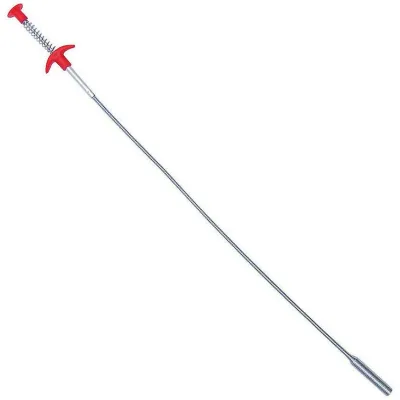
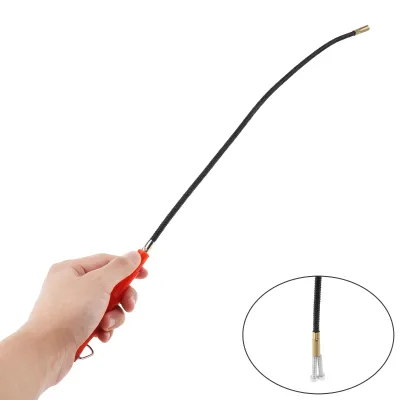
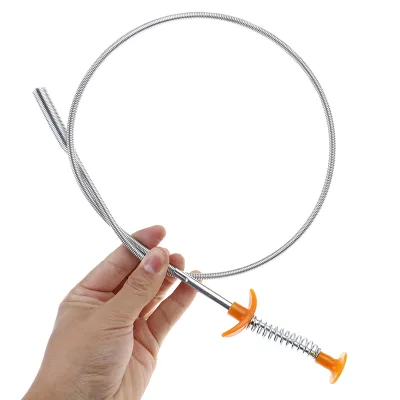
The current listing landscape reveals a fragmented product scope that blends drain cleaning machinery with flexible magnetic retrieval tools. One prominent category includes metal drain cleaning machines with a length of 160cm, designed for household sewer cleaning. These items are typically constructed from tool steel and marketed under brands like TORYIN or as OEM products. In contrast, another distinct category features strong magnetic flexible pickup tools with PVC handles, weighing approximately 140g, and designed for retrieving small metallic objects. These two product types serve entirely different purposes, yet they often appear in the same search results, creating potential for misalignment in procurement orders.
Observations also highlight significant variability in commercial terms and packaging details across these diverse product types. For instance, some drain cleaning tools are packaged in OPP bags with a single gross weight of 0.3 kg, while magnetic pickup tools may come in larger cartons with a gross weight of 20.000 kg, indicating bulk industrial packaging rather than individual retail units. The presence of ISO9001 and TS16949 certifications in some listings suggests a higher level of manufacturing rigor, potentially applicable to the metal components of drain tools. Buyers must carefully parse these signals to ensure they are sourcing the correct tool type, as the functional requirements for unclogging drains are incompatible with those for picking up dropped items.
Technical Specifications to Verify
Verifying technical specifications is paramount when sourcing flexible household grabber tools, particularly given the diversity of materials and designs observed. For magnetic pickup tools, the handle material is often specified as PVC, with colors ranging from green to black, and the head type is typically round. The blade or magnetic component may be made from tool steel or other metals, requiring confirmation of magnetic strength and flexibility. In contrast, drain cleaning machines are characterized by their length, such as 160cm or 21 inches, and their construction from metal alloys. Buyers must explicitly confirm the flexibility rating, diameter, and tip design to ensure the tool can navigate the intended household fixtures without damage.
Material grade and surface treatment are additional critical specifications that impact durability and performance. Some suppliers offer products in DIY and industrial grades, which may imply differences in wall thickness or tensile strength. Surface treatments like zinc plating, phosphating, and oiling are noted for metal components to prevent corrosion, a vital feature for tools exposed to moisture in household environments. Buyers should request detailed material certificates or sample inspections to verify that the stated materials, such as stainless steel or copper, match the actual product. Misidentification of material grades can lead to premature failure, especially in tools subjected to frequent bending or twisting during use.
Compliance and Safety Documentation
Compliance and safety documentation vary significantly across the observed product listings, requiring buyers to exercise caution. While some suppliers claim ISO9001 and TS16949 certifications, these are typically associated with manufacturing processes rather than product-specific safety standards for household tools. The presence of such certifications suggests a structured quality management system, but it does not automatically guarantee that the final product meets all relevant safety regulations for consumer goods. Buyers must verify if the products comply with local safety standards, such as those regarding material toxicity or mechanical safety, particularly for tools that may come into contact with water or food preparation areas.
Additionally, the warranty terms observed in the market range from no warranty to one year, indicating inconsistent quality assurance practices among suppliers. A lack of warranty may signal lower confidence in product durability, while a one-year warranty could provide some protection against manufacturing defects. Buyers should inquire about the specific scope of the warranty and the process for claiming replacements or repairs. It is also advisable to check for any additional certifications, such as REACH compliance for chemical safety, although this is not explicitly confirmed in all listings. Ensuring that the supplier provides clear and accessible safety documentation is essential for mitigating liability and ensuring customer satisfaction.
Cost Drivers and Commercial Terms
Cost drivers for flexible household grabber tools include material composition, manufacturing complexity, and order volume. Metal drain cleaning machines, constructed from tool steel and requiring surface treatments like zinc plating, generally incur higher material and processing costs compared to simple PVC-handled magnetic tools. The observed MOQs range from 2 pieces to 3000 pieces, allowing for flexibility in order sizing but potentially affecting unit pricing. Buyers should negotiate based on volume tiers, understanding that larger orders may yield better per-unit costs, especially for customized OEM products. However, the presence of low MOQs suggests that suppliers are willing to accommodate small trial orders, which can be useful for quality testing before committing to larger purchases.
Commercial terms also encompass payment methods and packaging options, which can influence the total landed cost. Some suppliers offer T/T payment terms and carton packing, which may be suitable for bulk shipments, while others use OPP bags for individual retail units. The single gross weight and package dimensions provided in listings help buyers calculate shipping costs accurately. For instance, a product with a single gross weight of 20.000 kg indicates heavy packaging, which could increase freight expenses. Buyers should request detailed quotations that break down product costs, packaging fees, and shipping estimates to ensure transparency and avoid hidden charges that could erode profit margins.
Supplier Qualification and Quality Control
Supplier qualification is a critical step in ensuring the reliability of flexible household grabber tool procurement. Buyers should prioritize suppliers who demonstrate robust quality control systems, such as 100% inspection before shipment, as noted in some listings. This practice helps minimize the risk of receiving defective products and ensures consistency in quality across batches. Additionally, suppliers offering OEM and ODM services indicate a level of manufacturing flexibility and capability, which can be beneficial for brands seeking customized solutions. However, buyers must verify the supplier’s production capacity and lead times to ensure they can meet demand without delays.
Evaluating the supplier’s place of origin and manufacturing infrastructure can also provide insights into their operational efficiency. Suppliers located in regions like Jiangsu or Zhejiang, China, are often associated with established manufacturing hubs for hardware and household tools. Buyers should request factory audits or third-party verification reports to assess the supplier’s adherence to quality standards and ethical labor practices. Furthermore, checking the supplier’s history of customer feedback and dispute resolution can offer valuable insights into their reliability. A qualified supplier should be transparent about their processes and willing to provide samples for pre-production approval to ensure alignment with buyer specifications.
Long-Term Procurement Checks
Long-term procurement checks involve establishing a framework for continuous monitoring and improvement of the supply chain. Buyers should implement regular quality audits and performance reviews to ensure that suppliers maintain consistent product standards over time. This includes periodic sampling and testing of products to verify that material specifications, such as metal grades and PVC quality, remain unchanged. Additionally, monitoring market trends and competitor offerings can help buyers stay informed about new technologies or design improvements in flexible household grabber tools. Staying proactive in supplier management helps mitigate risks associated with quality degradation or supply disruptions.
Building a strong relationship with suppliers through clear communication and mutual benefit is also essential for long-term success. Buyers should provide constructive feedback on product performance and address any issues promptly to foster collaboration. Regularly reviewing commercial terms and negotiating favorable conditions based on volume growth can enhance cost efficiency. Furthermore, diversifying the supplier base can reduce dependency on a single source and provide resilience against market fluctuations. By maintaining a disciplined approach to supplier qualification and performance management, buyers can ensure a stable and reliable supply of high-quality flexible household grabber pickup tools.
FAQs
Can I get OEM or ODM support for this tool?
Yes, OEM and ODM customization support is available for this flexible household grabber pickup tool. Buyers can contact the supplier directly to discuss specific branding, packaging, or design modifications. This service allows businesses to tailor the product to their unique market needs while maintaining quality standards.
What is the minimum order quantity for this item?
The minimum order quantity varies by product listing, ranging from 2 pieces to 3000 pieces. Some drain cleaning machines require 300 pieces, while magnetic pickup tools may start at just 2 pieces. Buyers should check the specific product page for the exact MOQ applicable to their selected model.
What materials are used in the construction of this tool?
The tool is constructed from durable materials including metal, tool steel blades, and PVC handles. Specific models may also utilize stainless steel, copper, brass, or aluminum components. These materials ensure longevity and effectiveness for both household cleaning and industrial applications, providing reliable performance for various pickup tasks.
Where is this flexible household grabber pickup tool manufactured?
These products are manufactured in China, with origins in Jiangsu and Zhejiang provinces. The manufacturing facilities adhere to quality control systems, including 100% inspection before shipment. This ensures that each unit meets the required standards for durability and functionality before being packaged and shipped to international buyers.
What certifications do these products hold?
Certain models hold ISO9001:2008 and TS16949 certifications, indicating adherence to quality management standards. These certifications are associated with specific manufacturing lines and product types. Buyers seeking verified quality assurance should verify the certification status on the specific product page, as not all items may carry these specific marks.
What is the warranty period for this tool?
Warranty terms vary by product, with some items offering a 1-year warranty while others have no warranty. Buyers should review the specific product details to understand the coverage. It is advisable to confirm warranty conditions with the supplier before placing an order to ensure alignment with your expectations.